How Jackpot Cards Works
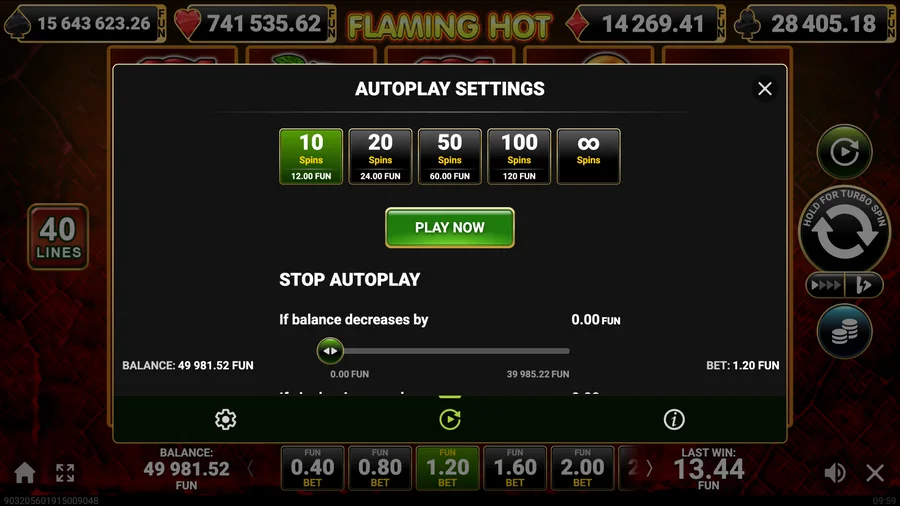
Jackpot Cards runs on top of Flaming Hot rather than inside it. The slot finishes a round, and the feature can start at random immediately afterwards; it leaves the base game standing, and autoplay pauses while the cards play out. Every trigger pays, because the feature always resolves into one of four levels.
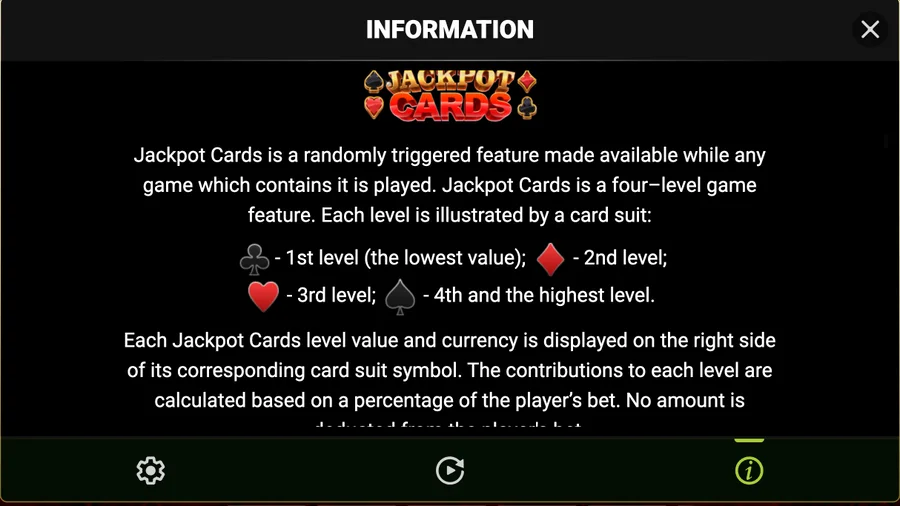
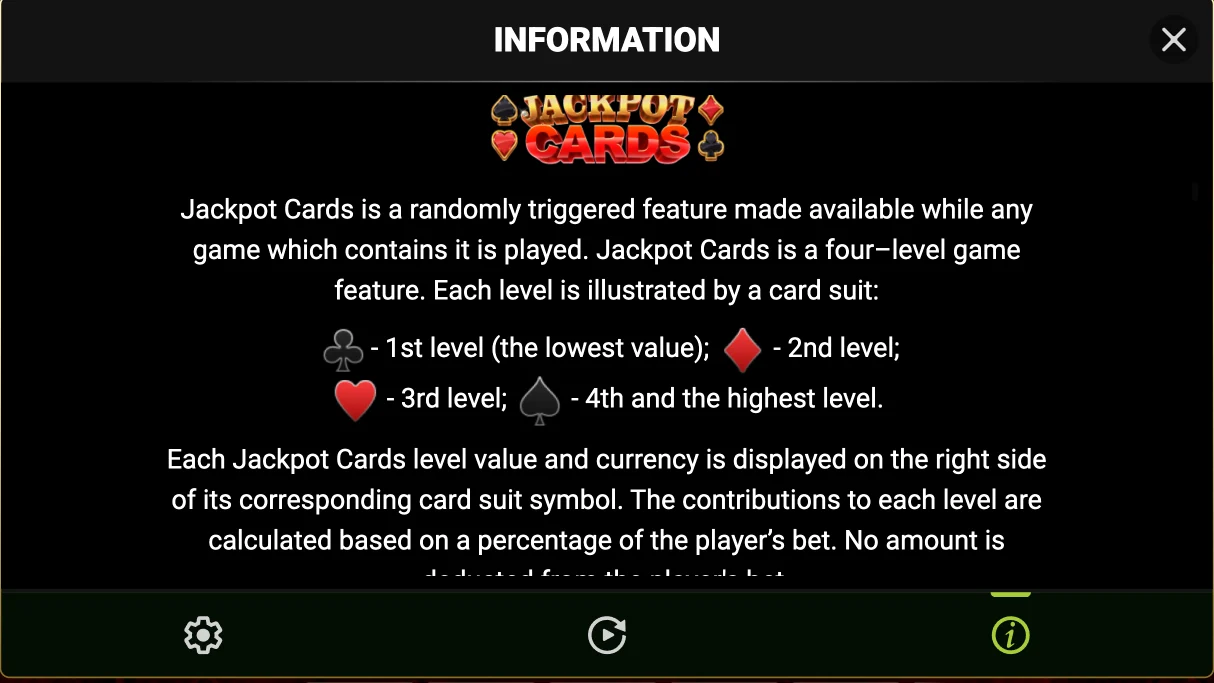
The levels are suits, ranked the way a card player would guess.
| Level | Suit | Rank |
|---|---|---|
| 1 | Clubs | Lowest |
| 2 | Diamonds | Second |
| 3 | Hearts | Third |
| 4 | Spades | Highest |
Read on ; the maker can change a screen without saying so.
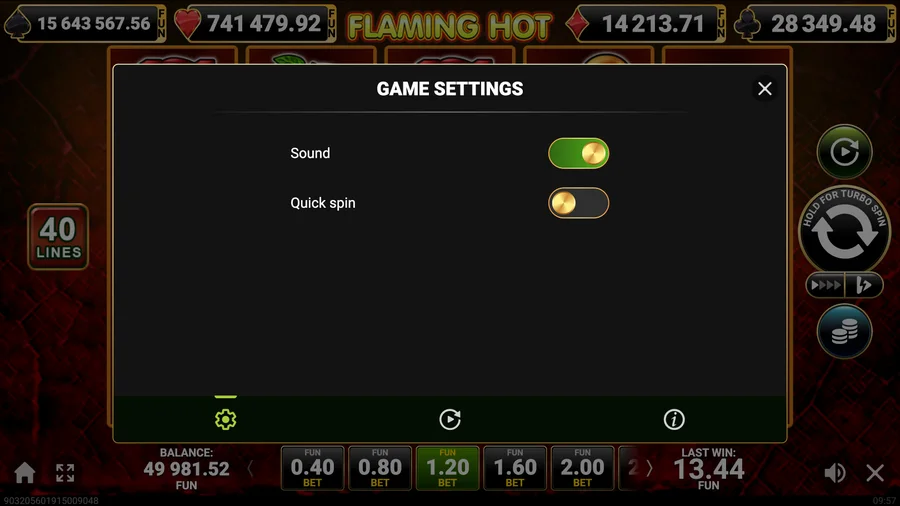
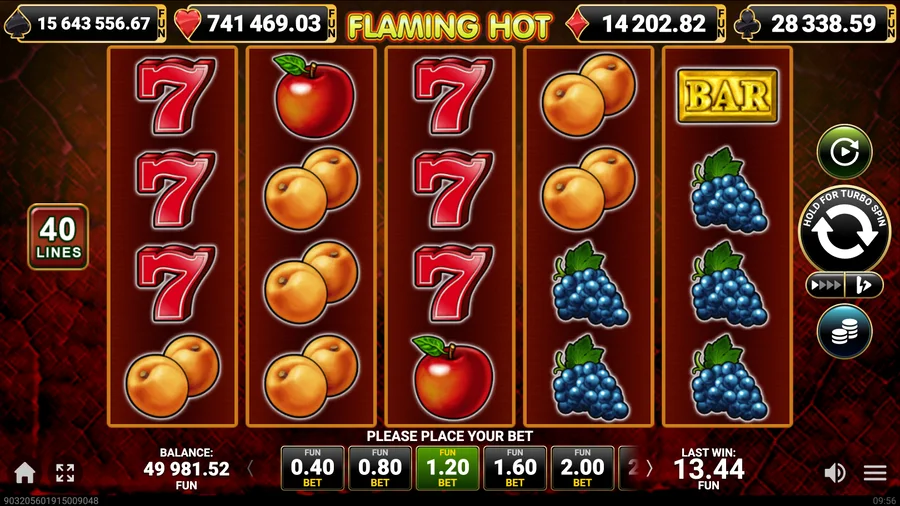
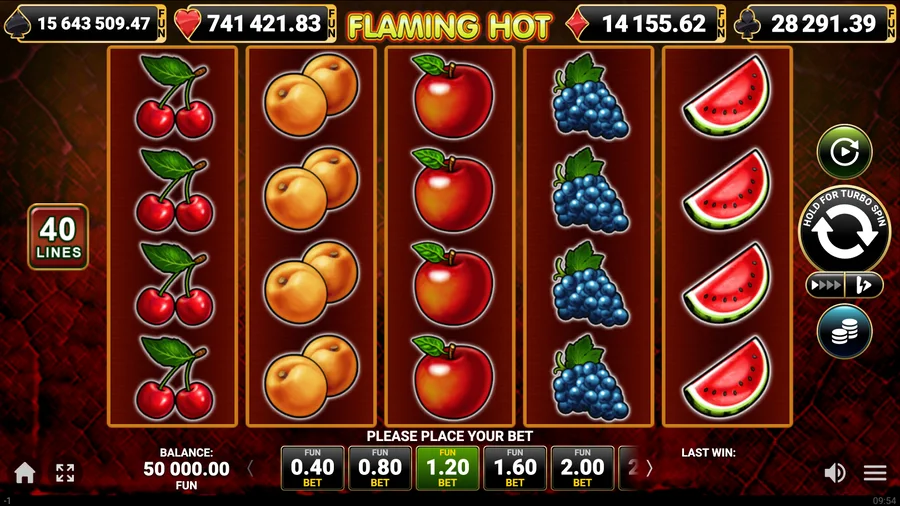
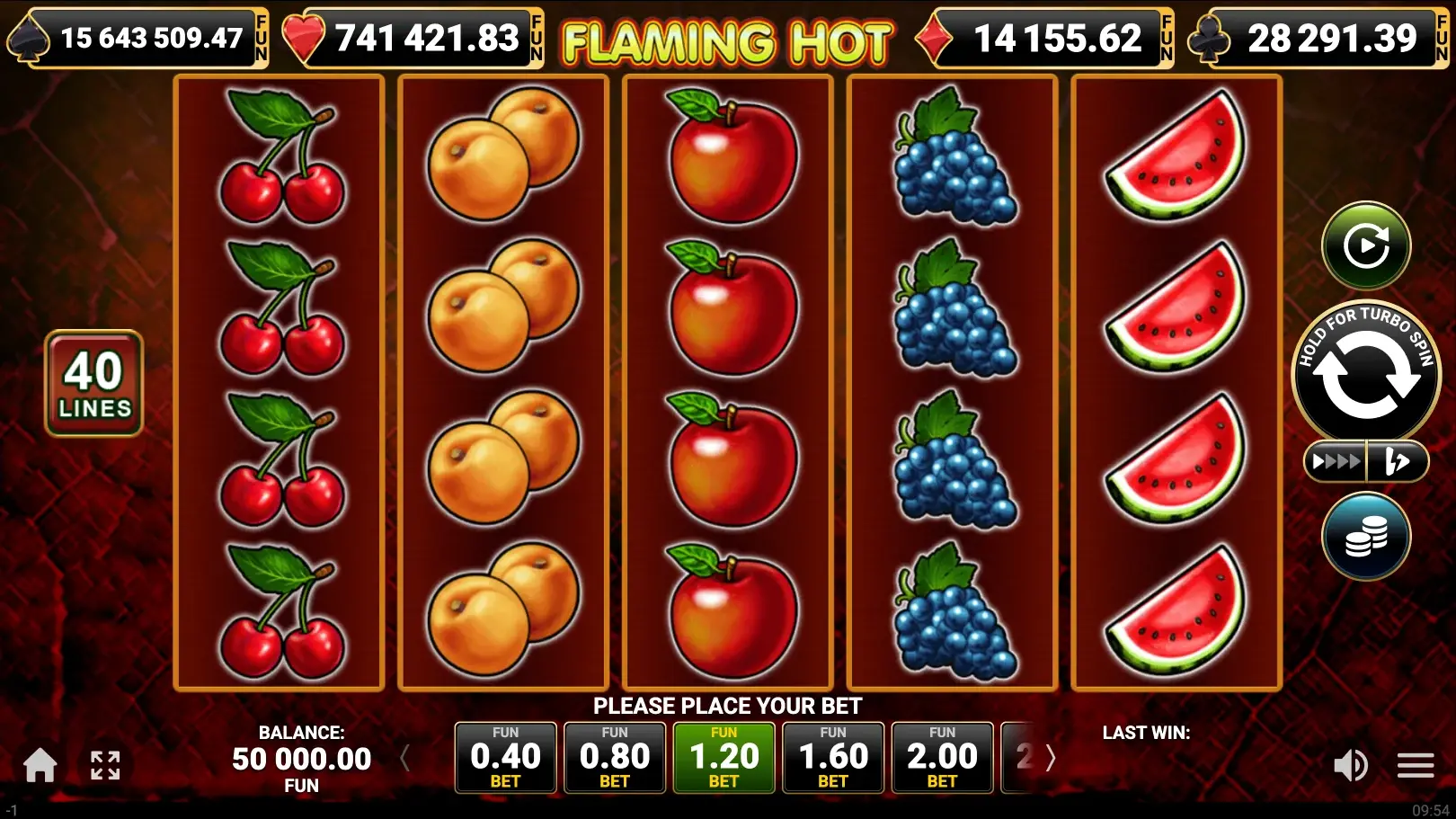
Four counters for those four levels hang above the reels on every screen of the game, and they climb while eligible players are spinning. When a level drops, the rules say notice goes out to everyone inside the feature at that moment, the collector included.
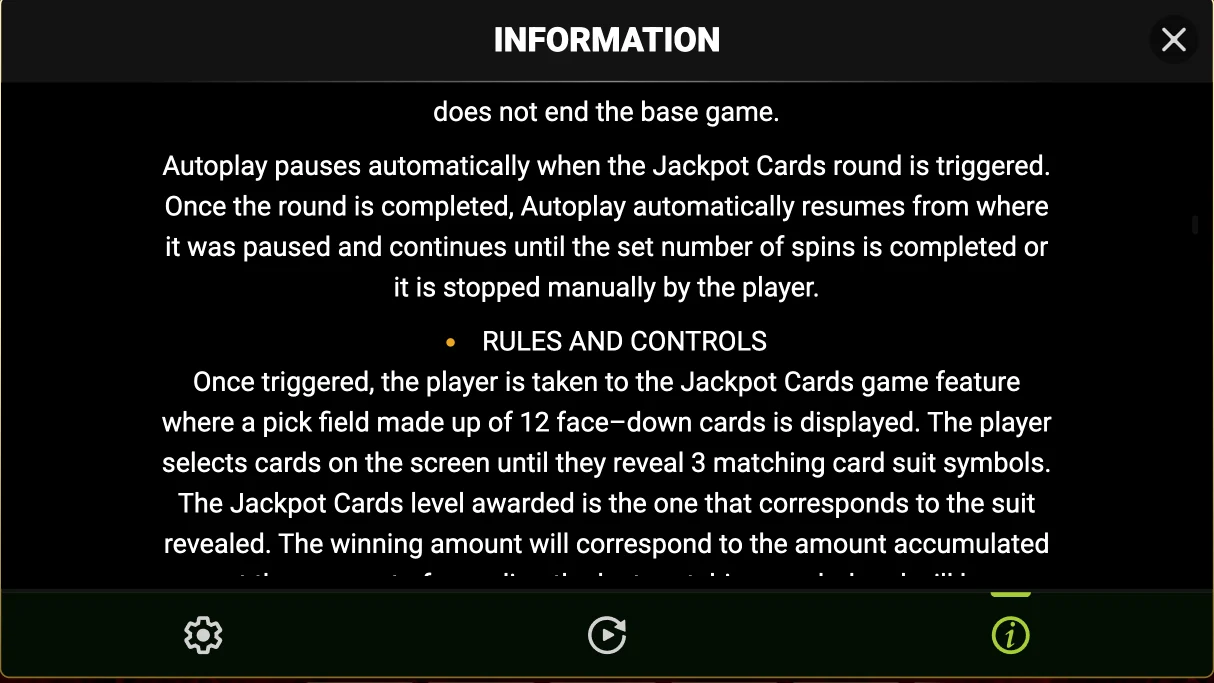
Inside the 12-card Jackpot Pick
The feature screen holds 12 cards face down. You turn them one at a time until three of the same suit appear, and that suit sets the level. The amount is whatever the matching counter had accumulated when you opened it. Two players who hit hearts a week apart walk away with different sums from the same level.
Whichever card you turn first, the result is already settled. The suit that lands is the suit the round already holds, and the cards reveal it instead of deciding it. We spell that out because the screen looks like a decision. Anyone selling a card-picking system for this feature is selling you a sequence of face-down backs.
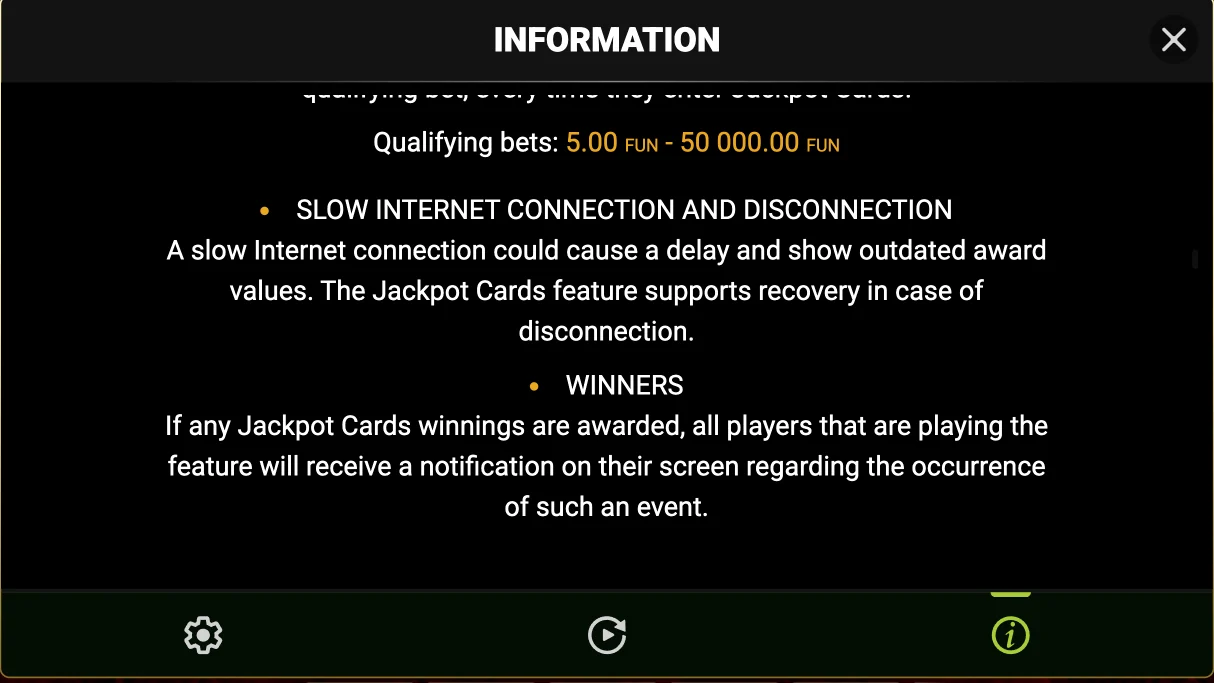
The Jackpot Cards Floor at 5.00
The floor is 5.00, and one line in the rules is where it lives: "Qualifying bets: 5.00 - 50,000.00". A spin below 5.00 therefore sits outside the progressive in both directions, contribution and prize alike.
Set that against the stake the game actually hands you. Flaming Hot opens at 1.20, its minimum is 0.40, and the forty steps in the ladder run from 4.00 straight to 5.20, skipping 5.00 altogether. The cheapest eligible bet is therefore 5.20.
| Stake | Value | Eligible for Jackpot Cards |
|---|---|---|
| Minimum | 0.40 | No |
| Default on load | 1.20 | No |
| Last step under the floor | 4.00 | No |
| Cheapest qualifying stake | 5.20 | Yes |
| Maximum | 100.00 | Yes |
That is a jump of 4.3 times from the default, and the bet selector stays silent about it. We found the floor by reading the rules document end to end. A player who skips that document will sit under it, watching four counters climb on money that stays out of reach.
One Flaming Hot Return for Two Games
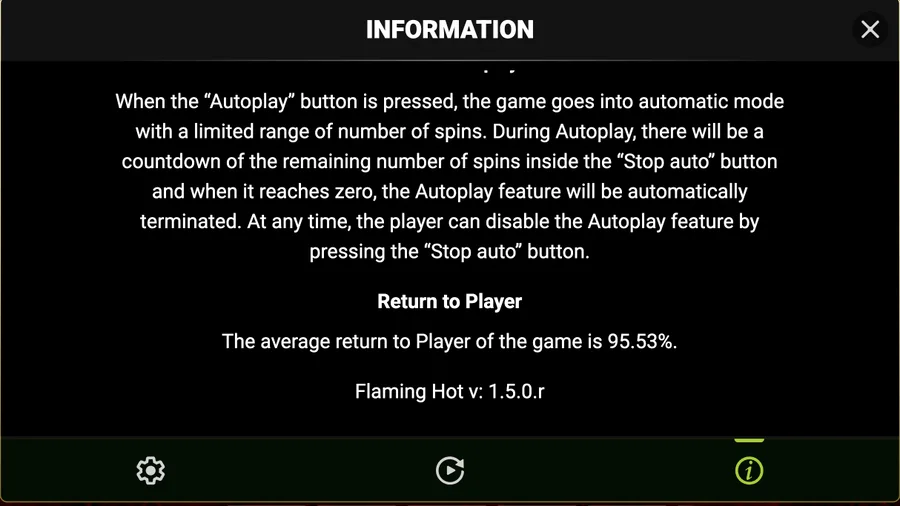
Amusnet publishes a single return for the slot: 95.53%. It appears on the studio's game page and again on the rules screen of the build we played, and the two agree. The house edge is 4.47%.
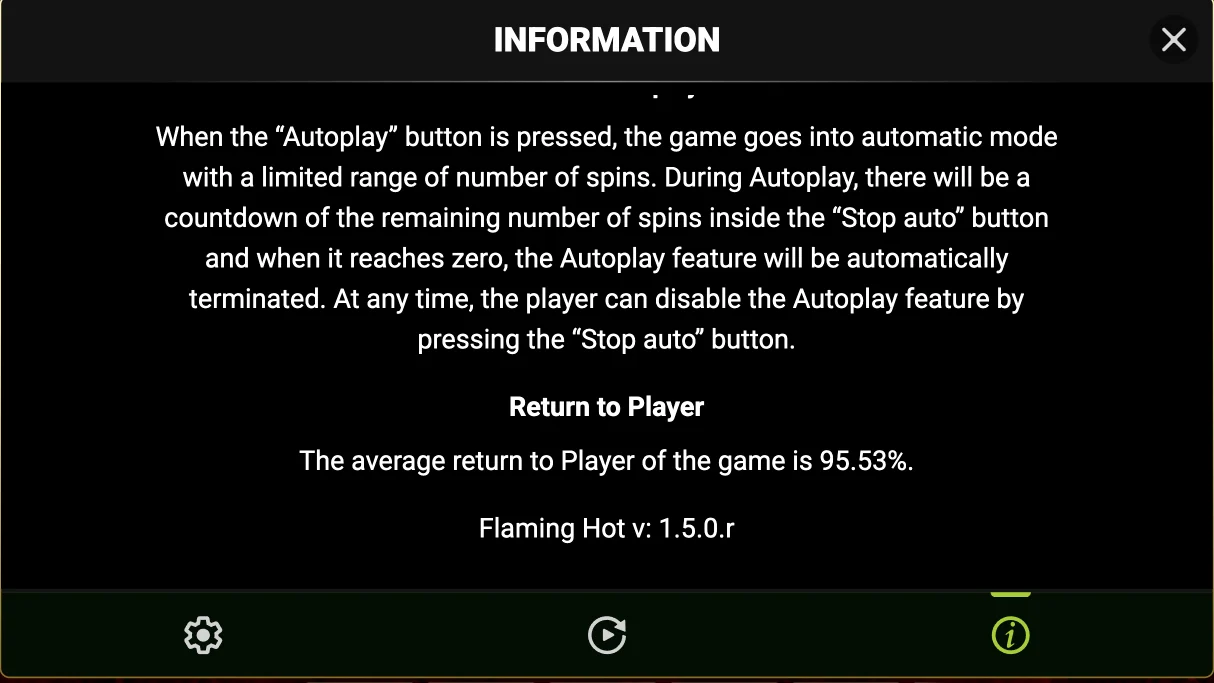
That one number covers both sides of the 5.00 line. A player at 0.40 and a player at 20.00 are quoted the same percentage, although only the second can collect from a progressive that the percentage is partly feeding. The rules handle the funding in two sentences and then stop: "The contributions to each level are calculated based on a percentage of the player's bet. No amount is deducted from the player's bet." The percentage itself stays unnamed, and so do the seed of each level and that level's ceiling.
So the arithmetic a careful player wants is out of reach. Pricing the return below the floor needs the jackpot's share of the 95.53%, and because that share has never been published, the subtraction has no second term. The rules leave even the direction open: "No amount is deducted from the player's bet" can be read as the contribution coming out of the 4.47% instead. Any site printing a figure for the sub-floor return invented that figure, and we would rather leave the gap visible.
So the sum has one half and a blank. We can write the blank down, and that is all anyone can do.
We did run 100 spins at 1.20 in the studio demo on to watch the feature in action, and watched nothing happen: the stake left us ineligible for all 100 rounds. The session closed 124.56 ahead on 120.00 staked, which says a great deal about short runs and nothing whatever about Jackpot Cards.
What RTS 9A Asks For
RTS 9A asks for two things at once: that an ineligible player's ineligibility is made clear, and that the group shut out gets a theoretical return of its own. The sentence runs: "If a player is not eligible for a game's progressive jackpot prize this should be made clear, along with their respective theoretical RTP."
Measure this game against each half. The first duty is met inside the client, provided you open the rules, where the qualifying band appears in plain numbers. The second has nothing to meet it, because the only figure on either surface is the 95.53% that everyone shares.
Three Registers, Three Answers
Three registers return three different answers about this studio: nothing at all in Britain, a valid permit in Sweden, and a numbered licence in Gibraltar. The British answer is what keeps the comparison above a measurement rather than a charge. We searched the Gambling Commission's downloads on . They cover 2,635 business records, 4,506 licence records and 2,412 trading names. The strings Amusnet, EGT and Euro Games each return zero matches. Evolution Malta Holding, Playtech Plc and Pragmatic all appear in the same files, so the search itself works. No British build of this game exists to fall short of RTS 9A.

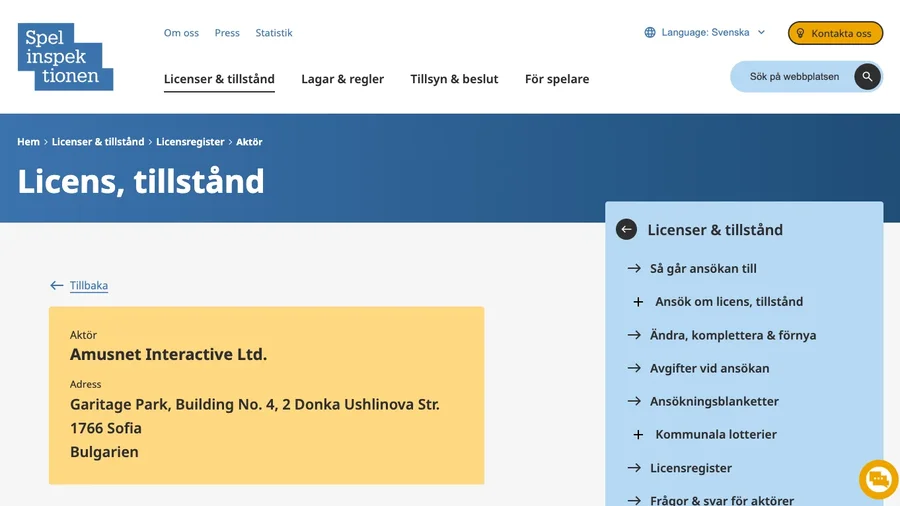
The studio is findable elsewhere, which counts for more than a footer does. Sweden's Spelinspektionen lists Amusnet Interactive Ltd. at Garitage Park, 2 Donka Ushlinova Str., 1766 Sofia. The licence is Spelprogramvara, valid from to , status Giltig, and that address matches the one in the studio's own footer. Gibraltar's government list has Amusnet (Gibraltar) Limited on Remote Gambling Licence No. 162, granted on .
| Register | What it returns for Amusnet |
|---|---|
| Great Britain, UKGC | Zero records across 2,635 business records, 4,506 licence records and 2,412 trading names |
| Sweden, Spelinspektionen | Giltig, Spelprogramvara, to |
| Gibraltar | RGL No. 162, granted |
The Swedish register also carries EGT Digital Ltd. and EGT Digital Malta Limited, a separate company with its own slot named Flaming Hot Clover Chance. Catalogues run the two names together; the register keeps them apart. That is a fact about the register rather than an opinion of ours.
What Nobody Publishes
Nobody publishes the contribution rate into each level, the seed each level resets to, or any level's ceiling. Also unpublished: the hit frequency of the base game, the odds of the maximum win, and the split of 95.53% between base game and progressive. We should be straight about the limit of our own checking here too: we did not search any test laboratory's register for this title, so nothing on this page says whether a certificate for it exists.
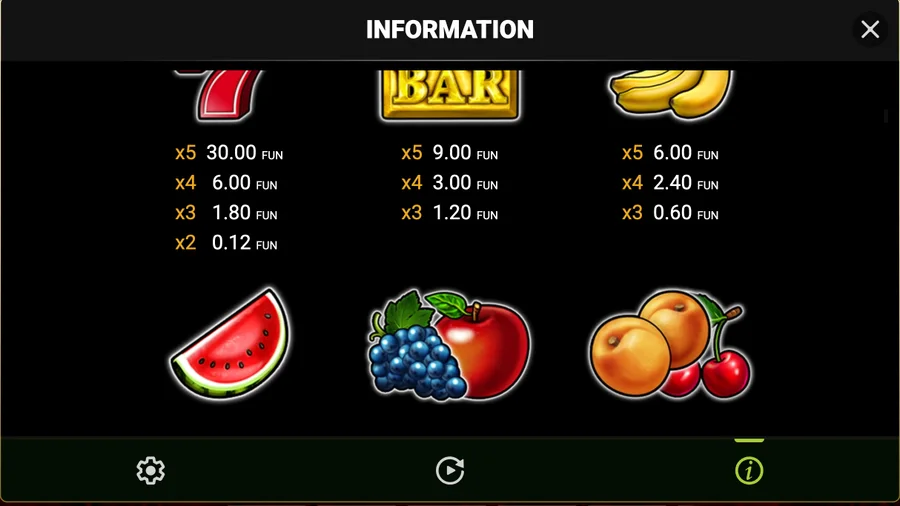
Then there is one number in circulation that the catalogues get wrong, and a second that the studio itself leaves unexplained. Amusnet writes "Max-win: 1000 x bet per line", and across 40 lines one such line comes to 25x the total stake. The paytable corroborates it: five red sevens pay 30.00 at a 1.20 stake, 1.20 divided by 40 is 0.03 a line, and 1000 times 0.03 is exactly 30.00. Askgamblers and other catalogues dispute that reading by dropping two words, printing "a maximum win of 1,000x the bet", which inflates the per-line ceiling forty-fold. Two independent readings of the studio's own material line up with the studio; the catalogues line up only with each other.
The studio's own figure earns its caveats in return, and there are three. 25x caps one base-game line rather than a round, and several of the forty lines can pay together: our best round returned 70.80 on a 1.20 stake, 59x it. The Scatter is multiplied by the total bet instead of a line, so five of them pay 600.00 at that stake, 500x it and twenty times the stated maximum. And Jackpot Cards and the Gamble ladder both sit above the base game again. How Amusnet reconciles a published ceiling of 30.00 with a 600.00 row on its own paytable we cannot see, and we are not calling it an error: both numbers are the maker's, and they do not meet.
Where We Would Leave It
Flaming Hot is an eleven-year-old fruit machine with a published 95.53% return, 40 fixed lines and a volatility rating of 2 out of 5 from its maker. None of that is the problem. The feature bolted on top is. Eligibility and disclosure point in opposite directions. The floor lives in a rules document, the return is printed everywhere, and only one of those two gets read.
We do not recommend playing this slot below 5.20 if the Jackpot Cards counters are any part of why you opened it. The reason is the missing figure rather than a suspicion about the base game. The progressive's share of the 95.53% has never been published, so nobody outside the studio can say what a sub-floor spin is worth. Want the progressive? 5.20 is the entry price, 4.3 times the default. Want the fruit machine on its own? Set the stake wherever suits you and read the four counters as wallpaper. If neither of those appeals, the sensible default is the free demo and the rules screen, where every figure quoted on this page can be read back in about ten minutes.